Separate physical attraction from charging support
A charger can attach magnetically to a phone or case without supporting every charging mode the phone offers. Magnets help position the devices, but the charging protocol, certified product design, phone support, and power supply still determine the result. Start with the phone manufacturer's wireless-charging specification, then compare the charger's documented compatible modes. Do not use the presence of a magnetic ring as a substitute for that check.
The Wireless Power Consortium maintains certification programs and a product database for Qi devices. It describes Qi2's magnetic alignment and newer charging capabilities, but support varies among products and phones. A maximum output advertised for a charger should be read as a supported ceiling under appropriate conditions, not as the rate every attached phone will receive.
Verify the actual product, not just the brand
Search the WPC product database using the brand and exact model number. Compare the listing with the product being sold, including its name and identifying details. A brand can sell several different wireless chargers, so finding one certified product does not validate every item in its catalog. If the model is unclear, ask the seller for an exact identifier before relying on the certification claim.
WPC distinguishes certified products from loose claims such as compatible or compliant. Those words should not be treated as equivalent evidence of completed certification testing. This does not require becoming a standards expert: the practical task is matching the purchased model to an official record and then checking that its supported charging mode suits the phone.
Check the power supply included in the package
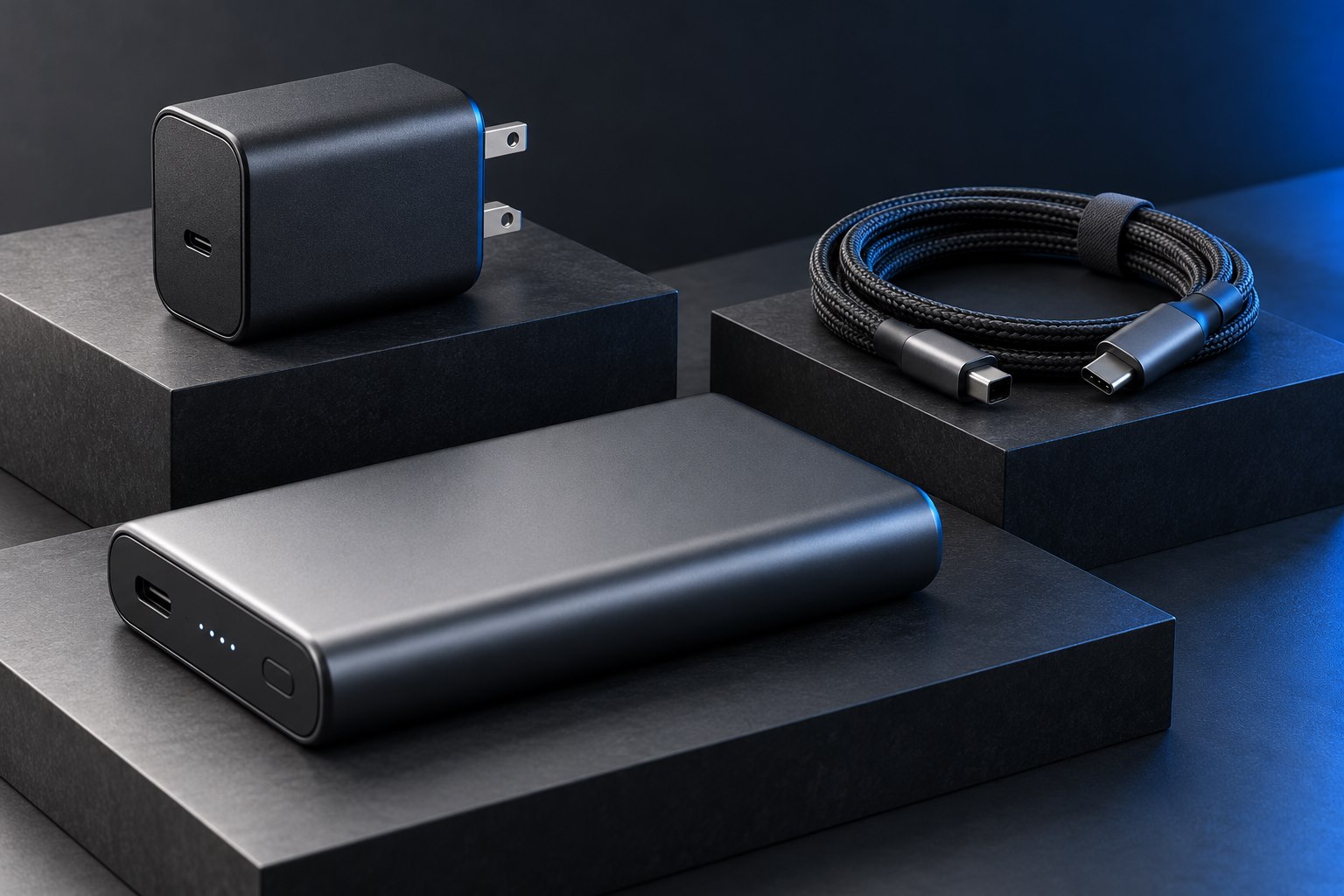
A wireless charging pad still needs a suitable power source. Some products include the required wall adapter and cable; others sell only the pad or stand. The input requirements can be more demanding than a spare low-output charger provides. Read the package contents and recommended input specification, then include missing items in the price comparison.
A multi-device station may share power between a phone, watch, and earbuds. Its maximum phone rate may depend on the supplied adapter or a particular supported combination. Check simultaneous-use information rather than assuming every charging area reaches its largest rating at once. A clear complete kit can be easier to use than an inexpensive stand that requires additional compatibility research.
Assess the physical fit with the case attached
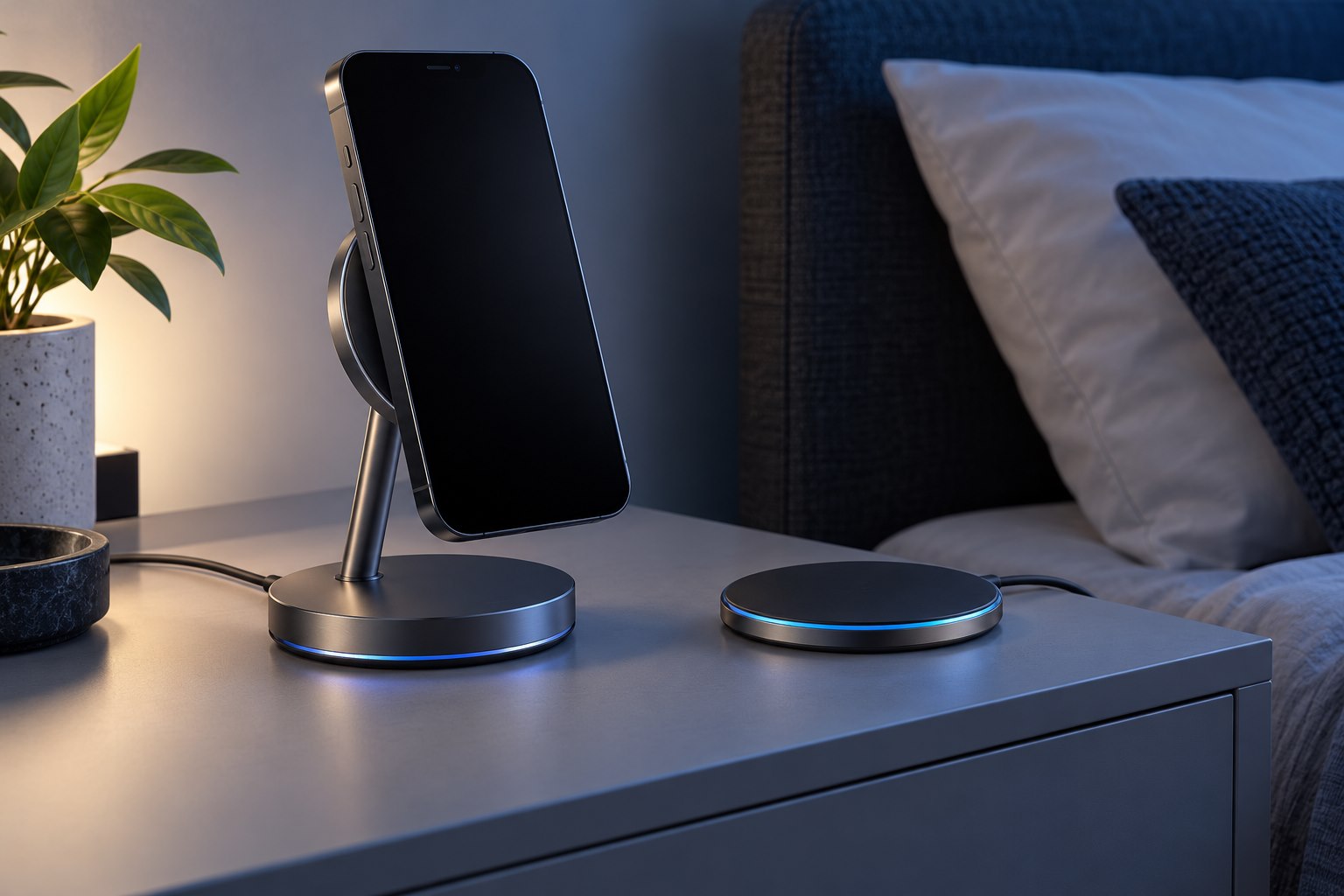
Camera bumps, thick cases, wallets, and grips can prevent the phone from resting correctly. A magnetic case should be compatible with the intended charging system and phone model. Test the normal case rather than only the bare phone, because removing it every night may defeat the convenience you wanted. Apple advises checking thick or metal cases when wireless charging is slow or absent.
For a stand, confirm portrait and landscape placement if both matter. For a pad, check whether the charging position is easy to find in dim light. A phone that lights up briefly and then shifts out of alignment is less dependable than a modestly rated charger with a stable fit. Practical consistency matters more than a peak number achieved only in an awkward position.
Choose for the charging window
An overnight station and a short midday top-up have different priorities. For the bedside, quiet operation, restrained indicator lights, and easy placement may matter more than maximum power. For quick refills, check the phone's supported mode and whether wired charging better fits the time available. A certified, compatible wireless charger should be chosen as part of a complete routine, with realistic expectations about battery level, temperature, case fit, and supply requirements.
Sources & further detail
These references support the technical context. Examples and selection advice are editorial explanations; verify the documentation for your exact equipment and software.
A detail we should revisit? Send the guide URL and the relevant documentation to SmithKent5791@outlook.com.
Read the editorial policy